
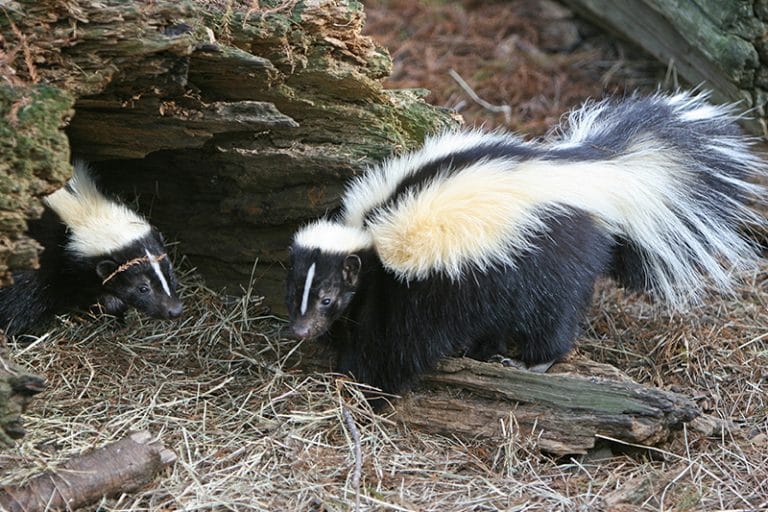
If you’ve ever stepped outside to find your trash scattered across the driveway or caught a whiff of that unmistakable skunk spray, you know how frustrating wildlife encounters can be. Here in Bozeman, skunks and raccoons aren’t just occasional visitors, they’re opportunistic residents looking for easy meals and comfortable shelter. The good news? With the right approach, you can make your property far less appealing to these critters. We’ve helped countless Montana homeowners reclaim their yards from unwanted wildlife, and we’re sharing exactly what works. From securing food sources to knowing when professional help is necessary, this guide covers everything you need to protect your property, pets, and peace of mind.
Why Skunks and Raccoons Love Bozeman Properties
Bozeman offers the perfect habitat for skunks and raccoons. Our mix of residential neighborhoods, open spaces, and proximity to natural areas creates an ideal environment where wildlife and humans regularly cross paths. Both species are highly adaptable and thrive in suburban settings where resources are plentiful.
Raccoons are particularly clever, they’ve learned that human properties offer easier pickings than foraging in the wild. Skunks, while less cunning, are drawn to the abundance of insects, grubs, and shelter options that Bozeman yards provide. Our Montana climate, with its distinct seasons, also plays a role. As temperatures drop, these animals become more aggressive in their search for food and denning sites.
Common Attractants That Draw Wildlife to Your Yard
Understanding what brings skunks and raccoons to your property is the first step toward keeping them away. Here are the primary attractants we see time and again:
- Unsecured garbage cans – The smell of food waste is irresistible to both species
- Pet food left outdoors – Even empty bowls retain scents that attract wildlife
- Bird feeders – Fallen seeds draw rodents, which in turn attract larger predators
- Compost piles – Especially those containing food scraps
- Fruit trees and vegetable gardens – Easy, natural food sources
- Grubs and insects in lawns – Skunks dig distinctive cone-shaped holes hunting for them
- Accessible shelter – Spaces under decks, sheds, and porches make perfect dens
Once you identify what’s attracting wildlife to your specific property, you can take targeted action to eliminate those temptations.
Securing Food Sources and Trash
The single most effective thing you can do to deter skunks and raccoons is cut off their food supply. These animals won’t stick around if there’s nothing to eat.
Start with your trash. Raccoons are notorious for defeating standard garbage can lids, they have incredibly dexterous paws and can figure out latches within minutes. We recommend investing in wildlife-resistant bins with locking mechanisms, or at minimum, securing lids with bungee cords. Store cans in a garage or shed until collection day whenever possible.
Pet owners need to be especially vigilant. Never leave dog or cat food outside overnight. If you must feed pets outdoors, bring bowls in well before dusk when raccoons and skunks become active. The same goes for water dishes.
Bird feeders present a trickier challenge. Consider switching to feeders designed to minimize spillage, or relocate them away from areas where you’ve spotted wildlife activity. Cleaning up fallen seeds daily makes a noticeable difference.
For those with gardens or fruit trees, harvest produce promptly and pick up any fallen fruit. Compost bins should be enclosed and never contain meat, dairy, or cooked foods that produce strong odors.
These changes might seem small, but they’re remarkably effective. Remove the food, and skunks and raccoons will move on to easier territory.
Physical Barriers and Exclusion Techniques
When food source management isn’t enough, physical exclusion becomes your next line of defense. The goal is simple: make it physically impossible for wildlife to access attractive areas of your property.
Fencing can be effective, but it requires specific modifications for skunks and raccoons. Standard fencing won’t stop a determined raccoon, they’re excellent climbers. An electric wire along the top, or an outward-angled extension, discourages climbing. For skunks, which don’t climb but do dig, bury fence material at least 12 inches underground or install an L-shaped footer extending outward.
Deck and porch exclusion is critical. These spaces offer protected denning sites that skunks and raccoons find extremely attractive. Hardware cloth (1/4-inch mesh or smaller) secured around the perimeter prevents access while maintaining airflow. Before sealing any area, ensure no animals are currently inside, trapping a mother with babies creates a much bigger problem.
Other exclusion priorities include:
- Chimney caps – Open chimneys are raccoon favorites for raising young
- Vent covers – Check attic, dryer, and foundation vents
- Shed and outbuilding gaps – Seal any opening larger than 3-4 inches
- Tree trimming – Cut branches that provide roof access to raccoons
Proper exclusion work takes time but provides long-lasting protection. It addresses the root cause rather than just managing symptoms.
Natural Deterrents and Repellent Methods
While physical barriers offer the most reliable protection, natural deterrents can provide an additional layer of defense, particularly for areas where exclusion isn’t practical.
Motion-activated devices are among the most effective options. Sprinklers that trigger when animals approach work well for both skunks and raccoons. Motion-activated lights and ultrasonic deterrents can also startle wildlife and make your yard feel less safe for foraging.
Scent-based repellents have mixed results, but some homeowners find them useful. Ammonia-soaked rags placed near potential entry points can discourage skunks temporarily. Commercial repellents containing predator urine (coyote or fox) may deter both species, though effectiveness varies and requires frequent reapplication, especially after rain.
Some natural substances that wildlife tends to avoid:
- Cayenne pepper sprinkled around gardens
- Peppermint oil near entry points
- Citrus peels in problem areas
- Garlic-based sprays
Honestly, we’ve found that repellents work best as supplements to other methods, not standalone solutions. A motivated skunk or raccoon will push through unpleasant smells if there’s a good food source waiting. But combined with secured trash and proper exclusion, deterrents can tip the balance in your favor.
One natural approach that actually works well: encouraging natural predators. Maintaining habitat for owls and hawks, which prey on both species, provides ongoing, passive wildlife management.
When to Call a Professional Wildlife Removal Service
There comes a point when DIY methods aren’t enough. Knowing when to call in professional help can save you time, money, and potential health risks.
You should contact a wildlife removal service if:
- Animals have already denned on your property – Evicting established wildlife requires specialized techniques
- You’re dealing with a mother and babies – Improper removal can orphan young animals or separate families, creating worse problems
- There are signs of damage – Torn insulation, chewed wiring, or structural damage indicates a serious infestation
- Health concerns exist – Raccoons can carry rabies and roundworm: skunks pose rabies risk as well
- Previous attempts have failed – Persistent wildlife often requires professional assessment
At Best Pest Control, we handle wildlife removal throughout Bozeman and all of Montana. Our approach starts with a thorough inspection to identify entry points, denning sites, and attractants you might have missed. We use humane removal methods and, importantly, address the underlying issues that brought wildlife to your property in the first place.
Wildlife situations can escalate quickly. A single raccoon checking out your deck can become a family of five by spring. Skunks that feel threatened will spray, and that smell can linger for weeks. Professional intervention often proves more cost-effective than dealing with the consequences of letting a problem grow.
We also help with exclusion work after removal, ensuring animals can’t return to the same spots. It’s a comprehensive approach that protects your property long-term.
Conclusion
Keeping skunks and raccoons out of your Bozeman yard isn’t complicated, but it does require consistent effort. Secure your food sources, install proper barriers, and don’t hesitate to call professionals when the situation warrants it. These animals are just doing what comes naturally, looking for food and shelter. By making your property less hospitable, you’re simply encouraging them to look elsewhere. If you’re dealing with persistent wildlife issues or want help wildlife-proofing your property, contact Best Pest Control. We’re here to protect your home, family, and peace of mind.
