
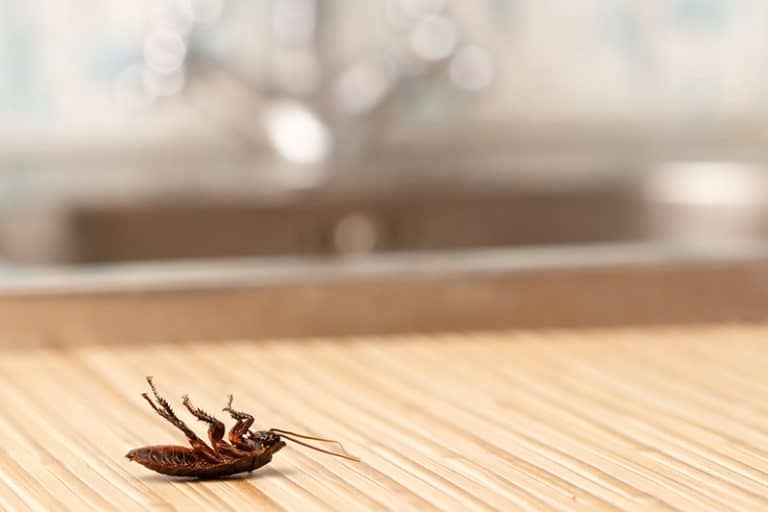
You flip on the kitchen light at 2 a.m. for a glass of water, and there they are, dark shapes scattering across your countertops. That sinking feeling in your stomach? We know it well. Cockroaches are one of the most unsettling pests a Bozeman homeowner can encounter, and unfortunately, they’re better at hiding than you might think.
Here at Best Pest Control Bozeman, we’ve helped countless Montana families reclaim their homes from these unwelcome guests. Cockroaches can squeeze through the smallest cracks, reproduce at alarming rates, and turn a minor nuisance into a full-blown infestation before you even realize what’s happening. The good news? With the right knowledge and timely action, roaches don’t stand a chance in our Montana climate.
In this guide, we’ll walk you through everything you need to know about cockroach pest control in Bozeman, from identifying the species lurking in your home to understanding when it’s time to call in the professionals.
Key Takeaways
- German cockroaches are the most common species in Bozeman and reproduce rapidly, making early intervention critical.
- Signs of a cockroach infestation include droppings, egg casings, musty odors, and seeing roaches during daylight hours.
- Montana’s dry climate makes cockroach pest control in Bozeman more effective since roaches aren’t native and struggle to survive outdoors.
- DIY methods like boric acid, gel baits, and eliminating food sources can help with minor problems, but professional treatment is often necessary for established infestations.
- Prevent future infestations by sealing entry points, storing food in airtight containers, fixing leaks, and reducing household clutter.
- If DIY efforts fail or you spot roaches during the day, call a professional exterminator immediately to prevent exponential population growth.
Common Cockroach Species Found in Bozeman
Not all cockroaches are created equal, and knowing which species you’re dealing with can make a big difference in how you tackle the problem. Four primary cockroach species show up in Montana homes, including here in the Bozeman area.
German Cockroach (Blattella germanica)
These are the troublemakers we see most often. Males sport a tan or pale brown color with dark streaks on their heads, while females tend to be darker brown. German cockroaches are year-round pests in Montana and reproduce incredibly fast, we’re talking hundreds of thousands of offspring in a single year. Newborns can become breeding adults in just over 30 days, which is why small problems escalate quickly.
American Cockroach (Periplaneta americana)
Don’t let the name fool you, these aren’t patriotic visitors you want sticking around. American cockroaches are the big ones, shiny and reddish-brown with paler necks. They’re more common in commercial buildings like restaurants and warehouses, but they’ll happily set up shop in your home if given the opportunity. Their size alone (up to 2 inches) makes spotting them particularly alarming.
Oriental Cockroach (Blatta orientalis)
Sometimes called “waterbugs,” oriental cockroaches are dark reddish-brown to nearly black. They love dark, moist environments, think basements, crawl spaces, and areas around leaky pipes. These guys are major household pests and can indicate moisture problems in your home.
Brown-Banded Cockroach (Supella longipalpa)
The smallest of the bunch, brown-banded cockroaches are tan to light brown with distinctive lighter bands across their bodies. What sets them apart? They need less moisture than other species, so you might find them in drier areas of your home like bedrooms, living rooms, or even inside electronics and furniture.
Signs of a Cockroach Infestation in Your Home
Cockroaches are nocturnal creatures, so catching one during daylight hours is actually a red flag. It often means the population has grown large enough that some roaches are being pushed out of hiding spots during the day. But there are other telltale signs to watch for:
- Droppings: Cockroach feces look like coffee grounds or black pepper, depending on the species. You’ll typically find them in kitchen cabinets, under sinks, along baseboards, and in pantry corners.
- Egg casings (oothecae): These small, oval-shaped capsules are brown or reddish and contain multiple eggs. Finding even one means there are likely more roaches nearby.
- Musty odor: Large infestations produce a distinctive, unpleasant smell. If your kitchen or bathroom has developed an unexplained musty scent, roaches could be the culprits.
- Shed skins: Cockroaches molt several times as they mature. Finding translucent exoskeletons around your home indicates an active population.
- Smear marks: In humid areas, roaches leave irregular brown smears as they crawl along walls and surfaces.
If you turn on the kitchen lights at night and see them scatter, you’ve almost certainly got a roach problem that needs addressing. And here’s the uncomfortable truth: for every cockroach you see, there could be dozens more hiding in your walls, under appliances, and in other dark crevices.
Why Cockroaches Thrive in Montana Homes
You might think Montana’s cold winters would keep cockroaches at bay, and to some extent, you’d be right. Roaches are actually non-native to our state, which works in our favor when it comes to eradication. But that doesn’t mean they can’t establish themselves in the right conditions.
Seasonal Factors
Montana’s low humidity, especially around January and February, typically knocks cockroach populations down. They struggle to survive in dry, cold environments without a warm host structure. But, our winters also drive us indoors and crank up our heating systems, creating exactly the kind of environment roaches love.
Apartment buildings with boiler heating systems are particularly vulnerable. These systems create humid, warm conditions that let cockroaches thrive even when it’s below zero outside. While Missoula and the Flathead area tend to see more infestations, Bozeman isn’t immune, especially in older buildings, multi-unit housing, and commercial properties.
Indoor Attractants
Cockroaches aren’t picky eaters. They’ll consume just about anything organic, from food crumbs to pet food to cardboard and book bindings. What draws them into your home?
- Food sources: Unsealed pantry items, dirty dishes left overnight, crumbs under appliances, and accessible garbage all ring the dinner bell.
- Water: Leaky pipes, pet water bowls, condensation around AC units, and damp basements provide the moisture roaches need.
- Shelter: Cluttered storage areas, cardboard boxes, and dark spaces behind appliances offer perfect hiding spots.
- Entry points: Cracks in foundations, gaps around pipes, openings around doors and windows, and even grocery bags and secondhand furniture can serve as roach highways into your home.
The key takeaway? Even in Bozeman’s relatively harsh climate, a warm home with available food and water is roach paradise.
Effective DIY Cockroach Control Methods
Spotted one or two roaches? You might be able to handle things yourself, at least initially. Here are some approaches that can help with minor problems:
Boric Acid: This old-school remedy still works. Lightly dust boric acid in areas where roaches travel (under appliances, along baseboards, inside cabinets). Roaches walk through it, ingest it while grooming, and die. Just keep it away from kids and pets, and use it sparingly, too much and roaches will simply avoid it.
Gel Baits: Commercial gel baits attract roaches with food-grade ingredients, then poison them. The beauty of baits is that roaches carry the poison back to their nests, potentially killing others. Place small dots in dark corners, under sinks, and behind appliances.
Sticky Traps: These won’t eliminate an infestation, but they’re excellent for monitoring. Place them along walls and in suspected high-traffic areas. The number and location of trapped roaches can tell you a lot about the severity and source of your problem.
Diatomaceous Earth: This natural powder damages roaches’ exoskeletons, causing them to dehydrate. Use food-grade DE in dry areas where you’ve seen activity.
Eliminate Attractants: Sometimes the most effective step is the simplest. Store food in airtight containers, fix leaky plumbing, take out garbage regularly, and reduce clutter. Without food, water, and shelter, roaches have less reason to stick around.
A word of caution: if you’re using store-bought sprays and traps but still seeing roaches, they may have already established a breeding population in your walls or other inaccessible areas. At that point, DIY methods are usually just keeping the visible numbers down while the real problem grows.
When to Call a Professional Exterminator
There’s no shame in calling for backup. In fact, waiting too long often makes infestations harder and more expensive to treat. Here’s when it’s time to bring in professionals like Best Pest Control Bozeman:
- You see roaches during the day: This typically indicates overcrowding, the population has grown so large that some individuals are being forced out during daylight hours.
- DIY methods aren’t working: If you’ve been using baits, traps, and sprays for a few weeks without seeing improvement, the infestation likely extends beyond areas you can access.
- You find multiple egg casings: Each casing can contain 30-50 eggs (depending on species). Multiple casings mean exponential population growth is coming.
- Health concerns arise: Cockroaches spread bacteria including Salmonella, E. Coli, and Dysentery. Their droppings and shed skins can also trigger asthma and allergies, especially in children. If anyone in your household is experiencing unexplained respiratory issues, a hidden roach infestation could be contributing.
- You’re dealing with German cockroaches: These reproduce so quickly that professional intervention is almost always necessary for complete eradication.
The silver lining? Since cockroaches aren’t native to Montana, they’re actually easier to eradicate here than in warmer, more humid climates. Our dry winters work against them, and professional treatments can eliminate colonies completely rather than just managing them.
We take cockroach pest control seriously. Our approach involves identifying the species, locating nesting areas, applying targeted treatments, and following up to ensure the problem is truly solved, not just temporarily suppressed.
Preventing Future Cockroach Infestations
Once you’ve dealt with an infestation, the last thing you want is a repeat. Prevention comes down to making your home as unwelcoming to roaches as possible.
Seal Entry Points
- Caulk cracks around windows, doors, and your foundation
- Install door sweeps on exterior doors
- Seal gaps where pipes and wires enter your home
- Repair damaged window screens and vent covers
Eliminate Food Sources
- Store dry goods in airtight containers (yes, even pet food)
- Clean up crumbs and spills immediately
- Don’t leave dirty dishes in the sink overnight
- Take garbage out regularly and use cans with tight-fitting lids
- Wipe down stovetops and counters after cooking
Reduce Moisture
- Fix leaky faucets and pipes promptly
- Use dehumidifiers in damp basements
- Don’t let water stand in plant trays
- Ensure proper ventilation in bathrooms and kitchens
Declutter and Clean
- Get rid of cardboard boxes and unnecessary paper products
- Vacuum regularly, including under furniture and appliances
- Keep storage areas organized and inspect items before bringing them inside
- Clean behind and under major appliances periodically
Be Careful What You Bring Home
- Inspect secondhand furniture and appliances before bringing them inside
- Check grocery bags, especially from stores with known pest issues
- After traveling, inspect luggage before bringing it into your home
For ongoing protection, consider setting up a regular treatment plan. Whether you have kids, pets, or simply want an eco-friendly approach, we offer solutions that keep cockroaches and other pests at bay without harsh chemicals throughout your living spaces.
Conclusion
Nobody wants to share their home with cockroaches. These persistent pests can contaminate food, trigger allergies, and, let’s be honest, make your skin crawl every time you walk into the kitchen at night. But here in Montana, we have an advantage: our climate doesn’t naturally support roach populations, which means complete eradication is absolutely achievable with the right approach.
If you’ve spotted roaches in your Bozeman home or business, don’t wait for the problem to multiply. Early intervention is always easier, more effective, and less expensive than battling a full-blown infestation. Whether it’s simply bothersome or utterly terrifying, a pest problem needs to be tackled quickly and thoroughly before it worsens.
Best Pest Control Bozeman is ready to help. We serve all of Montana and have years of experience eliminating cockroaches, along with spiders, ants, bed bugs, rodents, and more. If it creeps or crawls, we’ll eradicate it, and help you keep it from coming back.
Ready to reclaim your home from roaches? Give us a call or contact us today for a consultation. We’ll assess your situation, recommend the most effective treatment plan, and get those unwelcome guests out of your home for good.
Frequently Asked Questions
What are the signs of a cockroach infestation in my home?
Common signs include coffee ground-like droppings in cabinets, oval-shaped egg casings, shed skins, musty odors, and brown smear marks on walls. Seeing roaches during daylight hours is a red flag indicating a large population, since they’re nocturnal and typically hide during the day.
How do I get rid of cockroaches in Bozeman homes?
For minor problems, try boric acid, gel baits, sticky traps, and diatomaceous earth in high-traffic areas. Eliminate attractants by storing food in airtight containers, fixing leaks, and reducing clutter. If DIY methods fail after a few weeks, contact a professional exterminator for targeted treatment.
Why do cockroaches thrive indoors during Montana winters?
Although Montana’s cold, dry winters limit outdoor roach survival, heated homes create ideal conditions. Indoor heating systems—especially boilers in apartment buildings—provide warmth and humidity that cockroaches need. Combined with accessible food and water sources, your home becomes a perfect refuge from harsh winter weather.
Are cockroaches dangerous to my family’s health?
Yes, cockroaches pose real health risks. They spread harmful bacteria including Salmonella, E. coli, and Dysentery by contaminating food and surfaces. Their droppings and shed skins can also trigger asthma attacks and allergic reactions, particularly in children and sensitive individuals.
When should I call a professional for cockroach pest control in Bozeman?
Call a professional if you see roaches during daytime, find multiple egg casings, or notice DIY methods aren’t working after several weeks. German cockroach infestations especially require expert intervention due to their rapid reproduction rate—they can produce hundreds of thousands of offspring annually.
What cockroach species are most common in Bozeman, Montana?
Four species appear in Bozeman homes: German cockroaches (tan, most common, fast breeders), American cockroaches (large, reddish-brown), Oriental cockroaches (dark, moisture-loving), and brown-banded cockroaches (smallest, found in drier areas). Identifying the species helps determine the most effective treatment approach.