
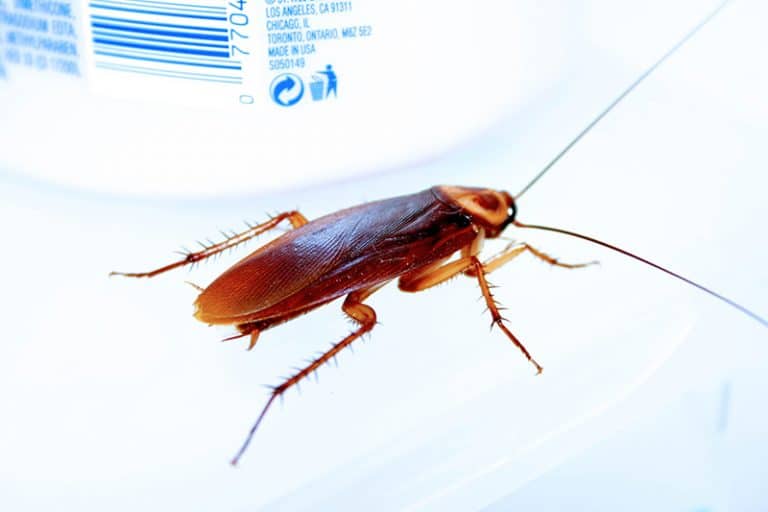
You flip on the kitchen light at 2 a.m. for a glass of water, and something skitters across the counter. Your heart drops. Was that a cockroach? Here in Bozeman, we don’t often think of roaches as a Montana problem, but they’re more common than most homeowners realize. And once they’ve settled in, cockroaches reproduce fast, hide well, and can turn a minor nuisance into a full-blown infestation before you even know what’s happening.
At Best Pest Control, we’ve helped countless Bozeman residents identify and eliminate cockroach problems. The key? Catching them early. We’re going to walk you through the top signs that you might have a cockroach infestation in your home, and what you can do about it before things get out of hand.
Why Cockroaches Thrive in Bozeman Homes
You might think Montana’s cold winters would keep cockroaches at bay, but here’s the thing: roaches don’t care about the weather outside. They care about what’s inside your home, warmth, moisture, food, and shelter. Bozeman’s modern, well-insulated homes offer exactly that.
Cockroaches are incredibly adaptable pests. They can squeeze through cracks as thin as a dime, slip under doors, and hitch rides into your home via grocery bags, cardboard boxes, or even secondhand furniture. Once they’re inside, they gravitate toward kitchens, bathrooms, basements, and anywhere else with easy access to water and crumbs.
Our Bozeman climate actually plays right into their hands. During the colder months, homes stay heated and sealed up tight, ideal cockroach real estate. And in summer, when humidity rises, conditions become even more favorable. The warmth from appliances like refrigerators, dishwashers, and water heaters creates cozy hiding spots where roaches can breed undisturbed.
Another factor? Bozeman’s growing population. More homes, more restaurants, more apartment complexes, all of which means more opportunities for cockroaches to establish colonies and spread. We’ve seen infestations pop up in brand-new construction just as often as in older homes. No property is immune.
The bottom line: if you live in Bozeman, you’re not automatically safe from a cockroach infestation just because we’re in Big Sky Country. Staying vigilant and knowing the warning signs is your best defense.
Visible Cockroach Droppings and Smear Marks
One of the most telling signs of a cockroach infestation isn’t the roaches themselves, it’s what they leave behind. Cockroach droppings are often the first red flag homeowners notice, and they’re easier to spot than you might think.
So what do cockroach droppings look like? It depends on the species and size, but most commonly, roach feces resemble coffee grounds or black pepper. You might find small, dark specks scattered along baseboards, inside cabinets, behind appliances, or in pantry corners. Larger roaches leave droppings that look more like tiny cylindrical pellets with ridged edges.
Smear marks are another telltale sign. In areas with high moisture, think bathrooms, laundry rooms, or under sinks, cockroaches leave brown, irregular smear marks as they crawl across surfaces. These streaks are actually a combination of feces and body oils, and they tend to appear along walls, floors, and horizontal surfaces where roaches travel frequently.
We always tell our customers to check these key areas:
- Behind the refrigerator and stove – Warm, dark, and rarely disturbed
- Inside kitchen cabinets and drawers – Especially near food sources
- Under sinks – Moisture attracts roaches like a magnet
- Along baseboards and in corners – Common roach highways
- Behind picture frames or wall decorations – Easy hiding spots
If you’re finding droppings or smear marks in multiple locations, that’s a strong indicator you’re dealing with more than just a stray roach. It’s likely a growing infestation that needs professional attention.
Unusual Musty Odors in Your Home
Here’s a sign most people don’t expect: cockroach infestations have a distinct smell. If you’ve noticed an unusual musty or oily odor in certain areas of your home, and you can’t pinpoint the source, roaches could be the culprit.
Cockroaches produce pheromones to communicate with each other, and these chemical signals create a lingering, unpleasant scent. The odor is often described as musty, greasy, or slightly sweet in an off-putting way. Some people compare it to mildew or dirty laundry that’s been sitting too long. As the infestation grows, the smell intensifies.
This odor tends to concentrate in areas where roaches nest and congregate. Kitchens, bathrooms, basements, and spaces behind large appliances are common hotspots. If you notice the smell is stronger in certain rooms or near specific areas, like under the sink or behind the fridge, that’s a clue about where the roaches are hiding.
The smell isn’t just unpleasant: it can actually attract more cockroaches. Those pheromones signal to other roaches that your home is a suitable place to settle down. It’s a bit like a “vacancy” sign for passing insects.
Another thing to keep in mind: cockroach odors can affect your food. Roaches contaminate surfaces and stored goods with their scent, which can alter the taste of exposed food items. If something in your pantry tastes “off” even though it’s not expired, an infestation might be to blame.
Don’t ignore strange smells in your home. Your nose might be picking up on a problem your eyes haven’t caught yet.
Finding Egg Casings and Shed Skins
Cockroaches reproduce at an alarming rate, and the evidence of that reproduction is often hiding in plain sight, if you know what to look for.
Female cockroaches produce egg casings called oothecae. These small, oblong capsules are usually brown or reddish-brown and can contain anywhere from 10 to 50 eggs depending on the species. You might find them tucked into crevices, glued to surfaces in hidden areas, or dropped in protected spots like behind furniture or inside cardboard boxes.
Finding even one egg casing is cause for concern. It means roaches have been breeding in your home, and more are on the way. A single German cockroach, one of the most common species in Montana, can produce up to eight oothecae in her lifetime, each containing around 30 to 40 eggs. Do the math, and you can see how quickly a small problem becomes a big one.
Shed skins are another sign of an active infestation. Cockroaches molt multiple times as they grow from nymphs into adults, leaving behind translucent, shell-like exoskeletons. These shed skins often accumulate in areas where roaches hide during the day, behind appliances, in wall voids, under sinks, and in cluttered storage spaces.
Where to look for egg casings and shed skins:
- Inside cabinets and pantries – Especially in corners and crevices
- Behind and under appliances – Refrigerators, stoves, and dishwashers
- In basement and laundry areas – Dark, humid spots roaches love
- Near plumbing fixtures – Under sinks and around pipes
- In cardboard boxes and clutter – Roaches nest in these materials
If you’re finding these remnants around your Bozeman home, you’re likely dealing with an established population that’s actively growing.
Daytime Sightings of Live Cockroaches
Cockroaches are nocturnal creatures. They prefer to stay hidden during the day and come out at night to forage for food and water. So if you’re seeing live roaches during daylight hours, that’s a serious warning sign.
Why? Because daytime sightings usually mean overcrowding. When a cockroach population grows large enough, competition for food and hiding spots forces some roaches out into the open, even when they’d rather stay hidden. It’s a sign that the infestation has reached a level where there simply isn’t enough space for all of them to hide.
We mentioned it earlier, but it bears repeating: if you flip on the kitchen light at night and see roaches scatter, you almost certainly have a problem. That classic “scatter” behavior happens because you’ve interrupted their normal nighttime activity. But seeing them during the day? That’s worse.
Pay attention to where you spot them. Roaches in the kitchen or bathroom are common since those areas provide food, water, and warmth. But if you’re seeing them in bedrooms, living rooms, or other areas of the house, the infestation may have spread beyond its original nesting site.
Another thing to watch for: dead cockroaches. Finding dead roaches around your home, especially in the same areas repeatedly, indicates an active infestation nearby. Where there are dead ones, there are live ones hiding.
The key takeaway here is simple: don’t dismiss a single sighting as a fluke. Cockroaches are excellent at staying out of sight, so seeing even one often means dozens more are lurking behind the scenes. And if you’re seeing them in broad daylight, it’s time to act fast.
Property Damage and Chew Marks
Cockroaches aren’t just gross, they’re destructive. While they prefer to munch on food scraps and organic matter, roaches will chew on almost anything when resources are scarce or populations are high.
We’ve seen cockroaches damage a surprising range of household items. They’ll gnaw on cardboard boxes, book bindings, wallpaper, and even leather goods. In kitchens, they contaminate food packaging by chewing through paper and thin plastic. Some species have even been known to nibble on soap, toothpaste, and glue.
Look for irregular chew marks on:
- Food packaging – Cereal boxes, bread bags, and other pantry items
- Paper goods – Books, magazines, cardboard, and documents
- Fabrics and leather – Clothing, upholstery, and bags stored in infested areas
- Wallpaper and paint – Especially in damp or hidden areas
Beyond physical damage, cockroaches pose contamination risks. As they crawl across surfaces, they spread bacteria, pathogens, and allergens from their bodies and droppings. This can contaminate food preparation areas, utensils, and stored goods, creating potential health hazards for your family.
Cockroach allergens are a particular concern. The proteins found in roach feces, saliva, and shed skins can trigger allergic reactions and worsen asthma symptoms, especially in children. Studies have shown that cockroach allergens are one of the leading triggers of asthma in urban environments.
If you’re noticing unexplained damage to stored items or food packaging, especially combined with other signs like droppings or odors, cockroaches are a likely culprit. The longer an infestation persists, the more damage they’ll cause.
What to Do When You Spot Infestation Signs
So you’ve noticed some warning signs. Maybe you found droppings in the pantry, spotted a roach in the bathroom, or detected that telltale musty smell. What now?
First, don’t panic, but don’t ignore it either. Cockroach infestations don’t resolve themselves, and over-the-counter sprays and traps often aren’t enough to eliminate an established population. Roaches are incredibly resilient. They can survive without food for a month, hold their breath for 40 minutes, and squeeze into hiding spots you’d never think to check.
Here’s what we recommend:
1. Document what you’ve found. Note where you’ve seen roaches, droppings, or other signs. This information helps pest control professionals identify the scope of the problem and locate nesting areas.
2. Reduce food and water sources. Clean up crumbs, store food in airtight containers, fix leaky pipes, and don’t leave pet food out overnight. Removing easy access to resources makes your home less hospitable to roaches.
3. Eliminate hiding spots. Declutter storage areas, break down cardboard boxes, and seal cracks and crevices around pipes, baseboards, and entry points. The fewer places roaches have to hide, the better.
4. Call a professional. DIY methods might knock down a few visible roaches, but they rarely reach the hidden nesting sites where the real population lives. Professional pest control targets infestations at the source and prevents them from bouncing back.
At Best Pest Control, we’ve been tackling cockroach infestations throughout Bozeman and greater Montana for years. We know where roaches hide, how they behave, and what it takes to eliminate them completely, not just temporarily. If you’re seeing signs of an infestation, give us a call before the problem gets worse.
Conclusion
Cockroach infestations can escalate quickly, and the earlier you catch them, the easier they are to control. If you’re noticing droppings that look like coffee grounds, unusual musty odors, egg casings, shed skins, daytime roach sightings, or unexplained damage to food and belongings, these aren’t signs to brush off. They’re red flags that demand attention.
Bozeman homes aren’t immune to cockroaches just because we live in Montana. These pests thrive wherever they can find warmth, moisture, and food, and our well-insulated homes provide exactly that. The good news? You don’t have to deal with this problem alone.
Best Pest Control is here to help Bozeman residents reclaim their homes from unwanted pests. Whether it’s a few early warning signs or a full-blown infestation, we have the tools and expertise to handle it. Remember: if it creeps or crawls, contact Best Pest Control. We’ll eradicate it, so you can get back to enjoying your home, roach-free.