
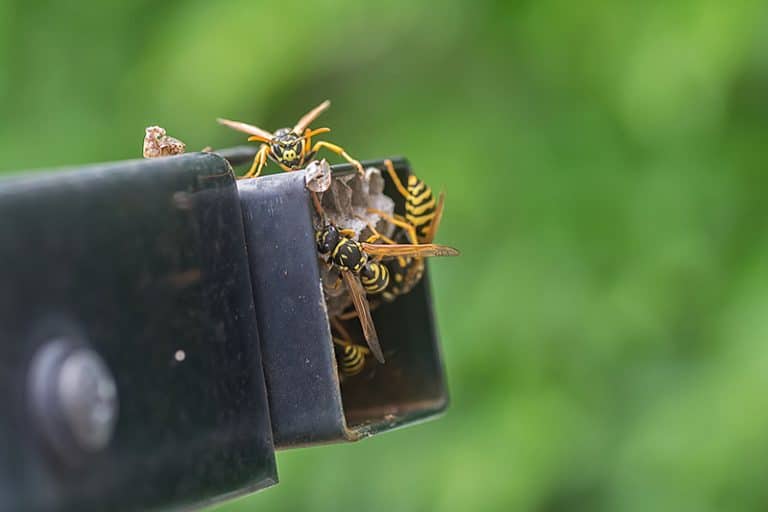
There’s nothing quite like enjoying a Bozeman summer afternoon on your deck, until a wasp decides to crash the party. These buzzing intruders seem to have a knack for showing up right when you’ve cracked open a cold drink or fired up the grill. And while wasps play an important role in our local ecosystem (they’re actually decent pollinators and prey on other pests), having them set up shop in your yard is a different story entirely.
For most folks, wasps are simply a nuisance. But for anyone with allergies, that powerful sting can turn dangerous fast. The good news? You don’t have to just accept wasps as unwanted summer guests. With some strategic changes to your property, you can make your Bozeman yard far less appealing to these stinging insects. We’ve put together this guide to help you understand what draws wasps to Montana yards and, more importantly, what you can do about it.
Why Wasps Are Drawn to Bozeman Yards
Before we jump into prevention strategies, it helps to understand why wasps find certain yards so irresistible in the first place. Bozeman’s climate and landscape create some ideal conditions for wasp activity, particularly during our warmer months from late spring through early fall.
Wasps are primarily motivated by three things: food, water, and shelter. Our Montana summers provide plenty of all three. The warm days and relatively mild nights give wasps extended foraging time, and the abundance of flowering plants, fruit trees, and outdoor activities means there’s usually something tasty within flying distance.
Paper wasps, yellowjackets, and mud daubers are among the most common species we see around Bozeman properties. Yellowjackets, in particular, become increasingly aggressive as summer progresses and their colonies grow. By late August and September, they’re actively seeking out proteins and sugars to sustain their expanding populations, which is exactly why they seem so determined to share your backyard BBQ.
The structure of many Bozeman homes also plays a role. Older homes with wooden siding, detached garages, and outbuildings offer countless nooks for nest-building. And those beautiful native landscapes we love? They can inadvertently provide ground-nesting sites and abundant food sources that keep wasps coming back year after year.
Remove Food Sources That Attract Wasps
The most effective way to discourage wasps is to eliminate what they’re after in the first place. Cut off their food supply, and they’ll likely move on to easier pickings elsewhere.
Outdoor Dining and Trash Management
We get it, outdoor dining is basically a summer requirement in Bozeman. But those al fresco meals are a wasp magnet if you’re not careful.
Keep all food covered until you’re ready to eat. This means using lids on serving dishes, covering drinks (those wasps love sweet beverages), and bringing condiments inside when you’re done. Grilled meats are particularly attractive to wasps seeking protein, so don’t leave plates of food sitting out longer than necessary.
Trash management is equally critical. Your outdoor garbage cans should have tight-fitting lids, no exceptions. Rinse out cans and bottles before tossing them in recycling bins, since even residual sugars from soda or juice can draw wasps from surprising distances. If you’re hosting a party, consider emptying outdoor trash more frequently rather than letting bags pile up.
Pet food is another often-overlooked attractant. If you feed pets outside, pick up their bowls as soon as they’re finished eating. Standing water in pet dishes can also draw wasps looking for hydration on hot days.
Fallen Fruit and Garden Maintenance
Apple trees, plum trees, berry bushes, the fruit-bearing plants that make Bozeman gardens so productive can also make them wasp havens. Fallen fruit is like a buffet for these insects, especially once it starts to ferment.
Make it a habit to pick up fallen fruit daily during harvest season. We know it’s tedious, but leaving rotting fruit on the ground is one of the fastest ways to attract not just wasps, but yellowjackets specifically. Even fruit that’s still on the tree can be problematic if it’s overripe or damaged.
Flowering plants present a more nuanced challenge. While you shouldn’t rip out your garden (wasps do provide pollination benefits), you can be strategic about placement. Keep heavily flowering plants away from patios, doorways, and outdoor seating areas. If you’re planting new beds, consider locating them toward the perimeter of your property rather than near high-traffic zones.
Eliminate Potential Nesting Sites
Wasps are opportunistic nesters. Give them a suitable spot, and they’ll build. Deny them those opportunities, and they’ll look elsewhere. Here’s how to make your property less hospitable for nest construction.
Seal Entry Points Around Your Home
Take a walk around your home’s exterior and look for gaps, cracks, and openings that might invite wasps inside walls or under eaves. Common problem areas include:
- Gaps where utility lines enter your home
- Cracks in foundation walls
- Spaces around window and door frames
- Openings in soffits and fascia boards
- Vents without proper screening
Use caulk for smaller cracks and expanding foam for larger gaps. For vents and other necessary openings, install fine mesh screening that allows airflow while keeping insects out. Pay special attention to attic vents, which are popular spots for paper wasp colonies.
Don’t forget about outbuildings. Sheds, detached garages, and barns often have more gaps and less attention paid to sealing. These structures can harbor multiple wasp nests that eventually send foragers right to your main living areas.
Manage Ground-Nesting Areas
Yellowjackets commonly nest underground, often taking over abandoned rodent burrows or finding their own spots in loose, dry soil. If you’ve got areas of bare, undisturbed ground, especially along property edges or in neglected garden beds, you’re offering prime real estate for ground-nesting wasps.
Keep your lawn healthy and well-maintained. Fill in any holes you discover, whether they’re from rodent activity or natural settling. Thick, vigorous turf is less attractive to ground-nesting species than sparse, patchy grass.
Wood piles and rock walls also provide shelter for various wasp species. If you store firewood, keep it away from your home’s foundation and consider covering stacks with tarps. Regularly inspect these areas in spring before colonies get established.
Use Natural Wasp Deterrents
If you prefer to avoid chemical pesticides, or want to complement other control methods, several natural deterrents can help keep wasps at bay. While these won’t eliminate an existing nest, they can discourage wasps from settling in or frequently visiting your yard.
Peppermint oil is probably the most well-documented natural wasp repellent. Mix a tablespoon of peppermint essential oil with water and a few drops of dish soap in a spray bottle. Apply this mixture around doorways, window frames, and outdoor seating areas. You’ll need to reapply every few days, especially after rain, but many homeowners find it noticeably reduces wasp activity.
Other essential oils that may help include lemongrass, clove, and geranium. You can combine these into a DIY spray or soak cotton balls and place them strategically around your property. The scent needs to remain strong to be effective, so don’t expect a one-time application to last all summer.
Fake wasp nests are another option worth trying. Wasps are territorial and generally avoid establishing colonies near existing nests. Hanging a decoy nest or two around your property, especially near eaves or other common nesting spots, may convince wasps to look elsewhere. You can purchase commercial decoy nests or make your own from brown paper bags. Results are mixed, but it’s a low-cost, zero-risk approach.
Planting certain herbs and flowers may also create a less welcoming environment. Spearmint, thyme, eucalyptus, and citronella are all reported to have some repellent properties. We wouldn’t rely on these alone, but incorporating them into your landscaping certainly won’t hurt, and they offer other benefits for your garden.
Modify Your Landscaping to Discourage Wasps
Your landscaping choices can either roll out the welcome mat for wasps or send them packing. With some thoughtful modifications, you can create a yard that’s less appealing to these stinging pests while still looking great.
Start by examining your plant selection. Highly fragrant flowers and those that produce abundant nectar are naturally attractive to wasps. While you don’t need to eliminate all flowering plants (and shouldn’t, for the sake of beneficial pollinators), consider reducing dense plantings of sweet-smelling varieties near your home‘s entrances and outdoor living spaces.
Avoid leaving standing water anywhere on your property. Bird baths, decorative fountains, clogged gutters, and even plant saucers can provide the water sources wasps need. If you want to keep water features, add a bubbler or fountain pump, moving water is less attractive to wasps than still pools.
Overgrown shrubs and hedges provide shelter and nesting opportunities. Keep vegetation trimmed back from your home’s exterior, maintaining at least a foot of clearance. This also makes it easier to spot nests early before they become established.
Mulch and ground cover choices matter too. Deep mulch beds can retain moisture and create attractive conditions for some wasp species. Consider using inorganic mulches like gravel or stone in areas close to your home. If you prefer organic mulch, keep it to a depth of two to three inches and avoid piling it against your foundation.
Finally, address any existing pest problems. Wasps prey on other insects, so if you’ve got an aphid infestation or other pest issues, you’re essentially providing a hunting ground. Healthy integrated pest management keeps the whole ecosystem in balance.
When to Call a Bozeman Pest Control Professional
Even though your best prevention efforts, sometimes wasps establish themselves anyway. Knowing when to handle things yourself versus when to call in professional help can save you from painful stings, or worse.
If you discover an active wasp nest on your property, assess the situation carefully before taking action. Small, newly established nests (roughly the size of a golf ball) in accessible locations might be manageable for a confident DIYer with the right protective equipment and commercial wasp spray. Early morning or late evening, when wasps are less active, is the safest time to attempt removal.
But, there are situations where professional pest control isn’t just recommended, it’s essential:
- Large or established nests: Once a nest reaches the size of a baseball or larger, it likely contains dozens or hundreds of wasps. Disturbing it without proper training and equipment is genuinely dangerous.
- Hard-to-reach locations: Nests in wall voids, attics, underground, or high under eaves require specialized approaches.
- Multiple nests: If you’re finding wasps nesting in several spots around your property, there may be underlying conditions attracting them that need professional assessment.
- Allergy concerns: If anyone in your household has a known allergy to wasp stings, don’t take chances. Even a single sting can be life-threatening for sensitive individuals.
- Aggressive behavior: Some wasp species, particularly yellowjackets late in the season, become highly aggressive. If wasps are attacking without apparent provocation, leave nest removal to the experts.
At Best Pest Control, we handle wasp problems throughout Bozeman and all of Montana. We’ll inspect your property, identify the species you’re dealing with, and provide the right remedy to protect your family. Our technicians have the training and protective equipment to remove nests safely, regardless of location or size. If you find a nest or you’re dealing with persistent wasp issues even though your prevention efforts, give us a call.
Conclusion
Making your Bozeman yard less attractive to wasps isn’t about any single silver bullet, it’s about stacking multiple strategies together. Remove the food sources that draw them in. Eliminate the sheltered spots where they’d want to build nests. Add some natural deterrents for good measure. And take a critical look at your landscaping choices.
Most of these changes are straightforward and can be tackled over a weekend or two. The key is consistency, keeping up with fruit cleanup, maintaining tight-fitting trash lids, and staying on top of yard maintenance throughout the season. Prevention is always easier (and less painful) than dealing with an established colony.
That said, wasps are persistent creatures, and sometimes they move in even though our best efforts. If you find yourself facing a nest or ongoing wasp pressure that DIY methods can’t handle, don’t hesitate to reach out to a pest control professional. A sting-free summer is absolutely achievable, it just takes a bit of proactive planning and, occasionally, a little professional backup.
