
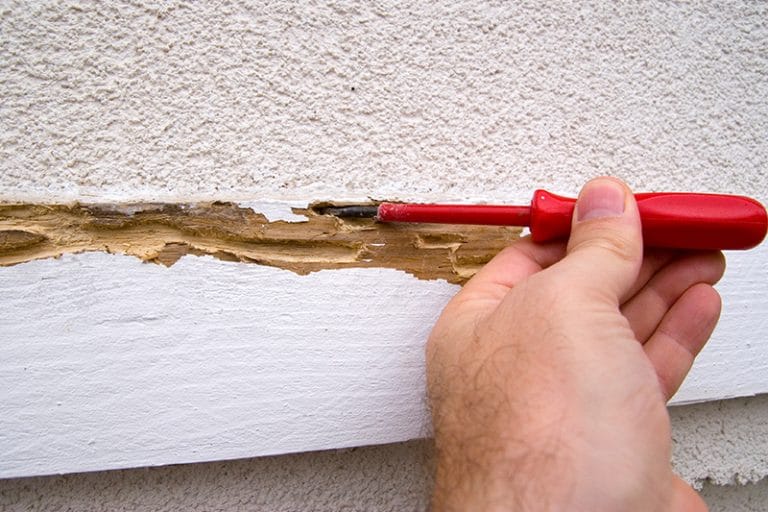
Montana homes are tough, but pests are tougher if you let them be. In a fast-moving Gallatin Valley market, smart buyers and sellers use professional inspections to avoid surprises. At Best Pest Control Bozeman, we’ve helped families and businesses across Montana catch problems early, from termites and carpenter ants to rodents and bed bugs, so deals don’t derail and properties stay protected.
Key Takeaways
- Pest inspections in Bozeman prevent deal-killing surprises by catching termites, carpenter ants, rodents, and moisture issues early.
- A real estate pest inspection evaluates structure, moisture, attics, and interiors, using moisture meters, IR, borescopes, and delivers photo-rich, actionable reports.
- Schedule inspections within the 7–14 day window; expect a few hundred dollars, and negotiate repair, treatment, or credit based on clear scopes.
- Buyers should write strong contingencies and prioritize exclusion and moisture fixes, while sellers gain speed with pre-listing inspections and saved invoices/warranties.
- VA loans often require WDI clearance and FHA/conventional may flag visible activity, so plan documentation and treatment proofs to satisfy lenders.
- For long-term value, follow seasonal prevention, correct grading and ventilation, seal entry points, and choose a licensed, insured local pro for Pest Inspections for Bozeman Real Estate Buyers and Sellers.
Why Pest Inspections Matter in Bozeman’s Market
Bozeman’s mountain climate, snowmelt cycles, and booming building activity create ideal conditions for a few usual suspects: subterranean termites, carpenter ants, voles and mice, spiders, and seasonal wasps. Add tight closing timelines and high home values, and a pest issue can quickly become a five-figure problem or a deal-killer.
Here’s what we’ve seen locally:
- Termites and moisture: Mud tubes on foundations and sill plates after spring thaw, plus soft trim and hollow-sounding baseboards.
- Rodents: Gnawing and droppings in garages and crawl spaces as temps drop.
- Bed bugs: Travel-driven hitchhikers showing up in short-term rentals and multi-unit housing: we use Cryonite non-chemical freezing when appropriate.
For real estate transactions, a documented pest inspection gives both parties clarity. Buyers get leverage to negotiate fair repairs or credits. Sellers get proof they’ve addressed issues up front, reducing liability. And agents get clean paperwork and fewer last-minute surprises.
What a Bozeman Pest Inspection Covers
A real estate-focused pest inspection assesses active infestations, conducive conditions, and prior damage that could affect value or safety. We’re looking for evidence and root causes, not just the bug itself.
What we evaluate:
- Structural risk areas: Foundation, sill plates, joists, rim boards, decks, porches, steps, fence lines adjoining structures.
- Moisture and ventilation: Crawl spaces, basements, bath/kitchen plumbing runs, water heaters, and exterior grading that funnels water toward the home.
- Attics and rooflines: Vent screens, insulation trails, droppings, nesting, and wasp activity near eaves.
- Interior clues: Baseboards, window trim, door frames, and cabinetry for frass, staining, or soft wood.
Common Local Pests and Warning Signs
- Subterranean termites: Mud tubes on concrete or block, blistered paint, soft or buckling floors.
- Carpenter ants: Piles of sawdust-like frass, rustling in walls at night, trails along trees that touch the house.
- Rodents (mice/voles): Droppings, gnaw marks, rub trails, shredded insulation, and “urine pillars” in seldom-used areas.
- Spiders: Webs in crawl spaces and garages (wolf spiders and occasional black widows warrant attention).
- Wasps: Paper nests under eaves, deck joists, and soffits in late spring/summer.
- Bed bugs (multi-family/STRs): Live bugs, cast skins, fecal spotting on seams, these travel easily on luggage.
Where Inspectors Look and Tools They Use
We combine visual inspection with simple instruments to confirm conditions:
- Moisture meters and infrared thermography to locate hidden dampness and potential decay.
- Borescopes for tight cavities.
- Probes to test wood integrity.
- Exclusion assessment: Door sweeps, vent screens, gaps at utility penetrations.
At Best Pest Control Bozeman, our reports include photos and meter readings so you can see exactly what we’re seeing.
Timing, Cost, and Responsibility
In the Bozeman area, buyers typically order pest inspections during the standard inspection window (often 7–14 days after mutual acceptance). Sellers who pre-list with a pest inspection tend to move faster, because fewer unknowns pop up under contract.
Typical costs: A stand-alone wood-destroying insect (WDI) or pest inspection for an average-sized home is usually a few hundred dollars, depending on property size, crawl space access, outbuildings, and whether a reinspection is required. If treatment is needed, pricing depends on pest type and scope (localized treatments vs. comprehensive termite barriers, rodent exclusion, or bed bug remediation).
Responsibility is negotiable. In a competitive market, we see buyers asking for credits or seller-paid treatment: in other cases, sellers handle repairs pre-closing to keep momentum.
Buyer vs. Seller Strategies
Buyers
- Write a clear pest inspection contingency with time for reinspection.
- Ask for documentation of past treatments and warranties.
- Prioritize exclusion and moisture corrections, not just spot treatments.
Sellers
- Consider a pre-listing pest inspection to surface issues early.
- Fix conducive conditions: grade, gutters, ventilation, wood-to-soil contact.
- Keep invoices and warranties handy to show buyers you’ve handled it.
Lender and Appraisal Considerations in Montana
- VA loans typically require a wood-destroying insect inspection in many markets and will expect clear evidence of treatment if activity is found.
- FHA and some conventional lenders may call out visible infestation or damage noted by the appraiser, which can trigger a required inspection or repairs before funding.
- Practical takeaway: If there’s any sign of termites, carpenter ants, or significant rot, plan for documentation and, if needed, a clearance letter after treatment.
Choosing a Qualified Inspector
Not all inspections are equal. You want a licensed, insured professional who understands Montana pests, real estate timelines, and how to write reports that hold up in negotiations.
Credentials to Look For
- Proper Montana licensing/registration and local experience with WDI and general pest inspections.
- Insurance: At minimum, general liability and errors & omissions coverage.
- Training and continuing education in structural pests and moisture diagnostics.
- Memberships or affiliations that require standards of practice.
- Clear, photo-rich sample reports you can preview.
Best Pest Control Bozeman is a local, family-owned company founded in 1998. We’re fully licensed and insured, we stand behind our work with a service guarantee, and we offer chemical-free and low-impact options, including Cryonite for bed bugs, when the situation calls for it.
What a Strong Report Includes
- Executive summary with risk level (active, prior, conducive conditions).
- Labeled photos with arrows/notes, plus meter readings when relevant.
- Specific treatment and exclusion recommendations with locations.
- Moisture and ventilation fixes that reduce re-infestation risk.
- Clear next steps: who does what, estimated timelines, and any reinspection needed.
Using Findings to Protect Your Deal
Inspection results don’t have to blow up a transaction. Used well, they set the stage for fair solutions.
Repair, Treatment, or Credit?
- Repair: Wood replacement for termite or rot damage, re-sealing utility penetrations, adding vent screens.
- Treatment: Localized or perimeter termite treatments, targeted ant control, rodent trapping with exclusion, or bed bug remediation (we often recommend heat or Cryonite in sensitive environments).
- Credit: When timelines are tight, a buyer credit at closing can be faster than scheduling complex work, provided there’s a clear scope and estimate.
Tips that help both sides:
- Price the fix with a written estimate from a licensed pro.
- Prioritize root causes (moisture, grading, entry points) alongside any chemical or mechanical treatment.
- Keep receipts and warranties: they matter to lenders and future buyers.
Contingencies, Deadlines, and Reinspection
- Contingencies: Write them to allow initial inspection plus reinspection after treatment.
- Deadlines: Build in time for drying after moisture corrections and for treatment efficacy (e.g., termite monitoring or rodent exclusion verification).
- Reinspection: Ask for a short, photo-documented recheck to confirm activity is eliminated and exclusion holds.
Prevention and Long-Term Maintenance
The best real estate pest plan starts before you list or make an offer. Tackle the small stuff now, and you’ll avoid expensive surprises later.
Seasonal Habits in a Mountain Climate
- Late winter/early spring: Rodents seek warmth: seal gaps around garage doors and foundation penetrations.
- Spring thaw: Watch for termite mud tubes, carpenter ant swarms, and moisture spikes in crawl spaces.
- Summer: Wasps establish nests under eaves and decks: remove early. Keep shrubs trimmed off siding.
- Fall: Clean gutters, extend downspouts 6–10 feet, and stack firewood away from the foundation.
Moisture, Grading, and Wood Storage Best Practices
- Maintain 6–8 inches of clearance between soil and siding.
- Slope soil away from the foundation: add splash blocks or extensions to downspouts.
- Install and maintain vapor barriers in crawl spaces: ensure adequate ventilation.
- Store firewood on racks, at least 20 feet from structures, and never against siding.
- Replace damaged vent screens: add door sweeps and seal utility penetrations.
Our team at Best Pest Control Bozeman also offers ongoing prevention programs, chemical-free deterrents, non-toxic baits and traps when appropriate, and targeted organic options, backed by inspections to keep tabs on entry points and attractants.
Conclusion
Buying or selling in Gallatin Valley is stressful enough without hidden pest problems. A thorough inspection, a clear report, and fast, targeted solutions keep transactions on track and protect long-term value. When you need local expertise you can trust, we’re here to help.
If you’re lining up Pest Inspections for Bozeman Real Estate Buyers and Sellers, reach out to Best Pest Control Bozeman. We’ll schedule quickly, document everything with photos, and recommend practical fixes that satisfy buyers, sellers, and lenders. Call us today to book your inspection and get a no-pressure plan for your property.
Frequently Asked Questions
What does a Bozeman pest inspection include for a real estate transaction?
A Bozeman pest inspection evaluates structural risk areas (foundations, sill plates, decks), moisture and ventilation, attics and rooflines, and interior clues like frass or soft wood. Inspectors use moisture meters, infrared, borescopes, and probes, plus an exclusion assessment for gaps and screens. Reports include labeled photos, readings, and clear recommendations.
Why do Pest Inspections for Bozeman Real Estate Buyers and Sellers matter?
Bozeman’s mountain climate, snowmelt, and rapid builds attract termites, carpenter ants, rodents, spiders, wasps, and travel-driven bed bugs. A documented inspection helps buyers negotiate repairs or credits, gives sellers proof of due diligence, and keeps agents’ timelines clean—preventing deal-killing surprises and avoiding costly moisture or wood-destroying insect damage.
How much do pest inspections cost in Bozeman, and who typically pays?
A stand-alone WDI/pest inspection for an average home usually costs a few hundred dollars, varying with size, crawlspace access, outbuildings, and any reinspection. Payment is negotiable. In competitive deals, buyers often seek credits or seller-paid treatment; sellers may fix issues pre-listing to speed closing for Pest Inspections for Bozeman Real Estate Buyers and Sellers.
What do lenders and appraisers require in Montana regarding pest issues?
VA loans commonly require a wood-destroying insect inspection and evidence of treatment if activity is found. FHA and some conventional loans may flag visible infestation or damage, prompting required inspections or repairs before funding. Expect to provide documentation and, when needed, a post-treatment clearance letter to satisfy underwriting.
How long does a pest inspection take, and how should I prepare?
Most Bozeman pest inspections take 60–90 minutes for an average home. Prepare by clearing access to crawlspaces, attics, garages, and sinks; trimming shrubs off siding; unlocking gates and outbuildings; securing pets; and gathering any prior treatment records or warranties. Good access speeds a thorough, photo-documented report and reduces the need for repeat visits.
Is a home inspection the same as a pest or WDI inspection in Bozeman?
No. A home inspection reviews overall systems and structure; a pest/WDI inspection focuses on active infestations, conducive conditions, and wood-destroying insect evidence, with treatment and exclusion recommendations. For Bozeman real estate buyers and sellers, scheduling both provides comprehensive risk insight and the documentation lenders and negotiators typically expect.
